
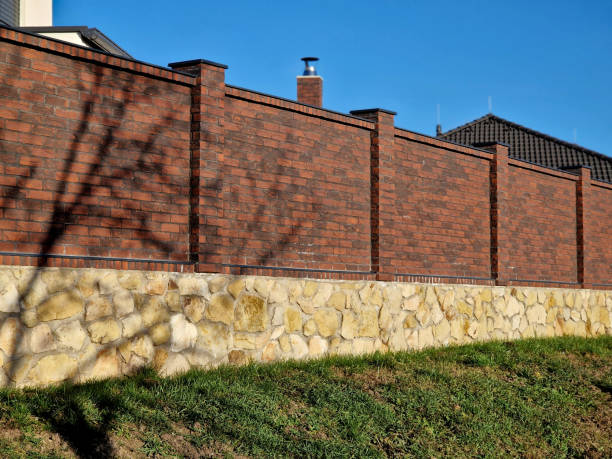
Brick is one of the most durable and attractive building materials available, which is why it’s commonly used for home exteriors, chimneys, retaining walls, walkways, and foundations. While quality masonry can last for decades, it isn’t maintenance-free. Exposure to rain, snow, freezing temperatures, and everyday wear gradually takes its toll on bricks and mortar.
Many homeowners assume that masonry damage is purely cosmetic, but even small cracks or deteriorating mortar joints can allow water to enter the structure. Over time, moisture weakens the masonry, leading to larger cracks, loose bricks, leaks, and expensive structural repairs.
Recognizing the early warning signs of masonry damage allows you to address problems before they become major restoration projects.
In this guide, we’ll cover the most common signs your brickwork needs repair, explain what causes masonry to deteriorate, and discuss why professional repairs are essential for protecting your home.
Why Brickwork Deteriorates
Although brick is extremely durable, it constantly faces environmental stress.
In New Jersey, masonry is exposed to:
- Heavy rainfall
- Snow and ice
- Freeze-thaw cycles
- Strong winds
- UV exposure
- Temperature fluctuations
- Natural settling of the home
Over time, these conditions slowly wear away mortar joints and weaken the overall structure if routine maintenance isn’t performed.
1. Cracked Bricks
One of the first warning signs of masonry problems is visible cracking.
Small cracks may develop due to:
- Freeze-thaw expansion
- Foundation movement
- Impact damage
- Aging materials
- Moisture infiltration
While a single hairline crack isn’t always cause for concern, multiple cracks or widening fractures should be inspected by a professional.
Cracks allow water to penetrate deeper into the wall, accelerating deterioration and increasing repair costs.
2. Crumbling or Missing Mortar
Mortar holds bricks together and helps create a weather-resistant wall.
As mortar ages, it gradually breaks down due to moisture and temperature changes.
Signs of deteriorating mortar include:
- Gaps between bricks
- Loose mortar pieces
- Powdery joints
- Deep recesses
Fortunately, damaged mortar can often be restored through a process known as repointing, which replaces old mortar without rebuilding the entire wall.
Addressing mortar deterioration early significantly extends the life of brick structures.
3. Loose or Shifting Bricks
Bricks should remain firmly bonded together.
If individual bricks begin moving, separating, or falling out, the wall’s structural stability may already be compromised.
Loose bricks often result from:
- Water damage
- Failed mortar joints
- Foundation movement
- Long-term neglect
Prompt repairs help prevent larger sections of masonry from becoming unstable.
4. White Powdery Stains (Efflorescence)
Have you noticed white chalk-like stains on your brick walls?
This substance is called efflorescence, and it forms when water travels through masonry and leaves behind mineral deposits after evaporating.
While the white residue itself is harmless, it indicates that moisture is entering the brickwork.
The underlying moisture source should always be identified and corrected before additional damage occurs.
5. Bulging or Bowing Brick Walls
A brick wall should remain straight and even.
If you notice sections that appear to bulge outward or bow inward, it may indicate serious structural problems.
Possible causes include:
- Trapped moisture
- Foundation movement
- Deteriorated wall ties
- Excessive pressure behind retaining walls
Bulging masonry should be inspected immediately, as it can eventually become a safety hazard.
6. Water Leaks Inside Your Home
Damaged exterior masonry doesn’t always stay outside.
Water entering through cracked bricks or deteriorated mortar may eventually appear as:
- Ceiling stains
- Damp walls
- Basement moisture
- Mold growth
- Peeling paint
These symptoms often indicate that masonry repairs are needed before interior damage worsens.
7. Spalling Bricks
Spalling occurs when the outer surface of a brick begins to chip, peel, or flake away.
This usually happens after moisture enters the brick and freezes repeatedly.
Common signs include:
- Flaking surfaces
- Broken brick faces
- Missing corners
- Rough, uneven texture
Once spalling begins, damaged bricks generally need replacement to restore the wall’s strength and appearance.
8. Leaning Chimney or Masonry Structure
A chimney or brick wall should always remain level and stable.
If you notice:
- A leaning chimney
- Tilting retaining wall
- Uneven brick columns
- Visible separation from the house
contact a masonry professional immediately.
These issues often indicate structural movement that requires prompt attention.
9. Moss or Vegetation Growing on Brick
Moss, algae, vines, and other vegetation often indicate excessive moisture retention.
Roots can grow into small cracks and mortar joints, gradually widening them over time.
Keeping masonry clean and repairing moisture problems helps prevent biological growth from accelerating deterioration.
10. Aging Brickwork
Even if your brickwork appears to be in good condition, age alone can justify periodic inspections.
Older homes often experience:
- Mortar deterioration
- Weather-related erosion
- Water penetration
- Minor structural movement
Routine maintenance helps preserve historic masonry while avoiding larger restoration projects later.
Why Timely Masonry Repairs Matter
Many homeowners postpone masonry repairs because the damage appears minor.
Unfortunately, masonry problems rarely improve on their own.
Addressing damage early helps:
- Prevent water intrusion
- Extend the life of the structure
- Preserve curb appeal
- Improve safety
- Reduce repair costs
- Protect nearby roofing and siding
Small repairs today often prevent complete wall or chimney reconstruction in the future.
Common Masonry Repair Solutions
Depending on the condition of the brickwork, repairs may include:
Repointing
Replacing deteriorated mortar while preserving existing bricks.
Ideal for:
- Aging mortar joints
- Small gaps
- Minor weather damage
Brick Replacement
Individual damaged bricks are carefully removed and replaced without disturbing surrounding masonry.
Recommended for:
- Spalling bricks
- Severely cracked bricks
- Impact damage
Crack Repair
Professional crack repairs seal openings before moisture causes further deterioration.
Early intervention helps prevent larger structural problems.
Waterproofing
Applying breathable masonry sealers helps reduce moisture penetration while allowing trapped moisture to escape naturally.
Waterproofing is often recommended after repairs have been completed.
Tips for Maintaining Your Brickwork
Regular maintenance can dramatically extend the life of your masonry.
Here are a few simple recommendations:
- Inspect brickwork every spring and fall.
- Check for new cracks after severe weather.
- Repair damaged mortar promptly.
- Keep gutters clean to prevent water overflow.
- Ensure downspouts direct water away from the home.
- Remove vines and vegetation growing on brick surfaces.
- Schedule professional masonry inspections every few years.
Consistent maintenance helps preserve both the appearance and structural integrity of your home.
Frequently Asked Questions
Not always. Small hairline cracks may result from normal settling, but larger cracks, stair-step cracks, or widening gaps should always be evaluated by a masonry professional.
Repointing is the process of removing deteriorated mortar from between bricks and replacing it with new mortar. It strengthens the masonry and helps prevent water penetration.
Moisture is the most common cause. Water enters the brick, freezes during cold weather, expands, and gradually breaks down the surface through repeated freeze-thaw cycles.
Yes. Cracked bricks and deteriorated mortar allow water to enter walls, which can eventually lead to interior leaks, mold growth, and structural damage.
A visual inspection should be performed at least once a year, with professional inspections recommended if you notice cracks, loose bricks, moisture problems, or other signs of deterioration.
Protect Your Home with Professional Masonry Repairs
Brickwork is designed to last for decades, but even the strongest masonry needs occasional maintenance. By recognizing the early signs of deterioration and repairing damage promptly, you can avoid more extensive restoration work and keep your home safe, attractive, and structurally sound.
Whether you’ve noticed cracked bricks, deteriorating mortar, water stains, or a leaning chimney, addressing the issue early is the best way to protect your investment.
Best Choice GC provides expert masonry repair, brick replacement, repointing, chimney restoration, retaining wall repair, and other exterior masonry services for homeowners throughout New Jersey. Our experienced in-house team carefully evaluates every project, recommends the most effective repair solution, and delivers quality craftsmanship built to withstand the region’s changing weather.
If your brickwork is showing signs of wear, contact Best Choice GC today to schedule a professional masonry inspection and restore the strength and beauty of your home’s exterior.