lat roofs are a popular choice for many homes, garages, additions, and commercial buildings throughout New Jersey. Their modern appearance, efficient use of space, and lower installation costs make them an attractive roofing option. However, like any roofing system, flat roofs have a limited lifespan and require regular maintenance to perform at their best.
Many homeowners wonder how long a flat roof should last before repairs or replacement become necessary. The answer depends on several factors, including the roofing material, installation quality, maintenance, and New Jersey’s changing weather conditions.
In this guide, we’ll explain the average lifespan of different flat roofing systems, the factors that affect longevity, warning signs of deterioration, and how you can maximize the life of your investment.
Average Lifespan of a Flat Roof
There’s no single answer because different flat roofing materials have different expected lifespans.
Here are the average life expectancies of the most common flat roofing systems.
EPDM Rubber Roofing
EPDM (Ethylene Propylene Diene Monomer) is one of the most widely used flat roofing materials for residential and commercial buildings.
Average lifespan: 25–30 years
Benefits include:
- Excellent weather resistance
- UV protection
- Flexibility during temperature changes
- Low maintenance
- Cost-effective installation
With proper care, many EPDM roofs exceed 30 years of service.
TPO Roofing
TPO (Thermoplastic Polyolefin) has become increasingly popular due to its energy efficiency and reflective surface.
Average lifespan: 20–30 years
Advantages include:
- Heat-reflective surface
- Strong welded seams
- Resistance to algae and mold
- Lower cooling costs during summer
TPO performs particularly well when installed by experienced roofing professionals.
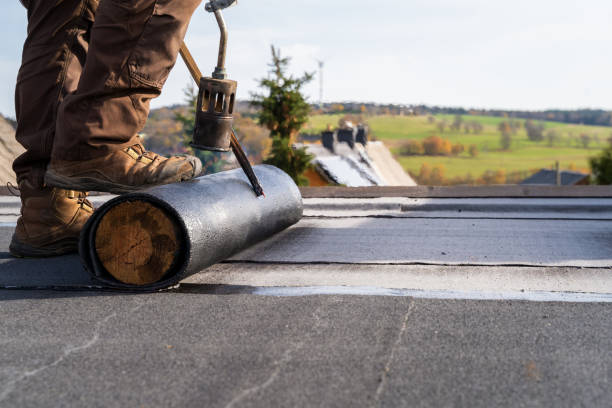
Modified Bitumen Roofing
Modified bitumen has been a trusted flat roofing material for decades.
Average lifespan: 20–25 years
Benefits include:
- Multiple protective layers
- Excellent waterproofing
- Good puncture resistance
- Reliable performance in varying weather
Routine inspections can significantly extend its lifespan.
Built-Up Roofing (BUR)
Built-up roofing consists of multiple layers of asphalt and reinforcing materials.
Average lifespan: 20–30 years
This traditional roofing system offers:
- Excellent durability
- Strong waterproofing
- Good protection against foot traffic
- Proven long-term performance
Although heavier than other systems, BUR remains a dependable option for many flat roofs.
How New Jersey Weather Affects Flat Roofs
New Jersey experiences a wide range of weather conditions throughout the year.
These changing conditions can gradually wear down flat roofing materials.
Common environmental challenges include:
- Heavy rainfall
- Snow accumulation
- Ice formation
- Freeze-thaw cycles
- Summer heat
- Strong winds
- Falling tree debris
Because flat roofs have very little slope, water drains more slowly than on pitched roofs. This makes proper drainage especially important.
Factors That Affect Flat Roof Lifespan
Several variables determine how long your flat roof will last.
Installation Quality
Even premium roofing materials can fail prematurely if they’re installed incorrectly.
Professional installation ensures:
- Proper drainage
- Secure seams
- Correct flashing installation
- Adequate insulation
- Manufacturer-compliant workmanship
A properly installed roof typically lasts much longer than one with installation defects.
Regular Maintenance
Routine maintenance is one of the biggest factors affecting roof longevity.
Annual inspections allow contractors to identify small issues before they become major repairs.
Maintenance often includes:
- Removing debris
- Cleaning drains
- Checking flashing
- Repairing seams
- Inspecting roof penetrations
Small repairs completed early can add years to the life of a flat roof.
Drainage
Unlike sloped roofs, flat roofs rely on carefully designed drainage systems.
If water remains on the roof for extended periods, it can accelerate deterioration.
Proper drainage helps prevent:
- Ponding water
- Membrane damage
- Interior leaks
- Structural stress
Keeping drains and gutters clear is essential throughout the year.
Foot Traffic
Flat roofs often experience more foot traffic than traditional roofs because they house HVAC equipment and other utilities.
Frequent walking can wear down roofing membranes if proper walk pads aren’t installed.
Whenever possible, unnecessary foot traffic should be minimized.
Warning Signs Your Flat Roof May Be Failing
Even well-maintained roofs eventually begin showing signs of age.
Watch for these common indicators.
Ponding Water
Water should drain within 24 to 48 hours after rainfall.
Standing water that remains longer may indicate drainage issues or structural settling.
Persistent ponding places additional stress on the roofing membrane.
Interior Water Leaks
Water stains on ceilings are often one of the first visible signs of roof failure.
Leaks may originate from:
- Damaged seams
- Cracked flashing
- Membrane punctures
- Clogged drains
Prompt repairs help prevent mold growth and structural damage.
Cracks or Splits in the Membrane
Over time, roofing membranes expand and contract with changing temperatures.
Eventually, small cracks may develop.
Left untreated, these openings allow water to penetrate beneath the roofing system.
Blisters or Bubbles
Moisture trapped beneath the roofing membrane may create raised bubbles or blisters.
These areas weaken the roof’s protective surface and may eventually rupture.
Professional evaluation is recommended if blisters become widespread.
Loose Flashing
Flashing protects vulnerable areas where the roof meets walls, chimneys, skylights, or vents.
Loose or damaged flashing often leads to leaks even when the roofing membrane remains intact.
Can a Flat Roof Be Repaired Instead of Replaced?
In many cases, yes.
If damage is isolated and the roof still has substantial remaining life, repairs may be the most practical solution.
Repairs are commonly recommended for:
- Small punctures
- Minor seam separation
- Localized leaks
- Flashing damage
- Drainage improvements
Replacement becomes more cost-effective when damage is widespread or the roof has reached the end of its expected lifespan.
How to Extend the Life of Your Flat Roof
A few simple maintenance habits can significantly increase your roof’s lifespan.
We recommend:
- Schedule professional roof inspections once a year.
- Inspect the roof after major storms.
- Remove leaves and debris regularly.
- Keep roof drains and gutters clear.
- Repair small leaks promptly.
- Limit unnecessary foot traffic.
- Trim nearby tree branches.
Preventative maintenance is almost always less expensive than emergency repairs.
Is It Time to Replace Your Flat Roof?
Several factors indicate replacement may be the better long-term investment.
These include:
- The roof is more than 25 years old.
- Multiple leaks continue to develop.
- Repairs have become frequent.
- Large areas of membrane are deteriorating.
- Significant ponding water persists.
- Structural damage is present.
A professional inspection can determine whether repairs are still practical or replacement is the more economical option.
Frequently Asked Questions
Most flat roofs last between 20 and 30 years, depending on the roofing material, installation quality, weather exposure, and ongoing maintenance.
EPDM and high-quality built-up roofing systems often provide the longest service life, with many lasting 30 years or more when properly maintained.
A professional inspection should be performed at least once a year and after severe storms to identify developing issues before they worsen.
Small amounts of standing water immediately after rainfall may be normal, but water should typically drain within 24 to 48 hours. Persistent ponding should be evaluated by a roofing professional.
Yes. Cleaning debris, maintaining drainage, repairing minor damage promptly, and scheduling annual inspections can add several years to the life of a flat roofing system.
Protect Your Flat Roof with Professional Roofing Services
A flat roof is a long-term investment, and with proper installation and regular maintenance, it can provide decades of reliable protection. Understanding how weather, drainage, and routine upkeep affect its lifespan allows homeowners to address small issues before they become expensive repairs.
Whether your flat roof is showing signs of aging or you’re simply planning ahead, a professional inspection can help you make informed decisions and avoid unexpected problems.
Best Choice GC provides expert flat roof inspections, repairs, maintenance, and replacement services for homeowners and commercial property owners throughout New Jersey. Our experienced in-house team evaluates every roofing system thoroughly, recommends the most effective solution, and delivers quality workmanship built to withstand New Jersey’s changing weather conditions.
If your flat roof is aging, leaking, or has not been inspected recently, contact Best Choice GC today to schedule a professional evaluation and keep your property protected year-round.