Your roof is your home’s first line of defense against rain, snow, wind, and changing temperatures. In New Jersey, where homes experience hot summers, freezing winters, heavy rainfall, and occasional severe storms, a well-maintained roof is essential for protecting your property and preserving its value.
Many homeowners don’t notice roofing problems until they become serious. A small leak, missing shingles, or damaged flashing can eventually lead to costly structural repairs, mold growth, and interior water damage. Understanding how your roof works and recognizing early warning signs can help you avoid expensive surprises.
In this guide, we’ll explain how to identify roofing problems, when repairs are enough, when replacement is the better investment, and how professional roofing services help protect your home for years to come.
Why Your Roof Matters
A properly installed roof does much more than keep rain out.
It helps:
- Protect your home’s structure
- Prevent water intrusion
- Improve energy efficiency
- Increase curb appeal
- Maintain indoor comfort
- Improve resale value
- Protect insulation and attic ventilation
Because roofing systems work as a complete system, even one damaged component can affect the entire structure.
Common Roofing Problems in New Jersey
New Jersey’s climate creates unique challenges for residential roofs.
Missing or Damaged Shingles
Strong winds and storms can loosen or remove shingles, exposing the roof deck to moisture.
Signs include:
- Bare spots
- Curled shingles
- Cracked shingles
- Granules collecting inside gutters
Damaged shingles should be replaced promptly to prevent leaks.
Roof Leaks
Leaks often begin around vulnerable areas such as:
- Chimneys
- Skylights
- Roof valleys
- Plumbing vents
- Flashing
Water stains on ceilings, peeling paint, or damp insulation usually indicate a roof leak.
Flashing Damage
Metal flashing seals the joints where different roofing components meet.
Over time flashing may:
- Rust
- Separate
- Crack
- Pull away
Even a small flashing failure can allow significant water intrusion.
Storm Damage
High winds, hail, and heavy rain can shorten a roof’s lifespan.
After major storms, homeowners should inspect for:
- Missing shingles
- Lifted shingles
- Fallen branches
- Visible dents
- Water entering the attic
Prompt inspections often prevent larger repairs.
Aging Roof Materials
Every roofing material has a limited lifespan.
Typical life expectancy:
- Asphalt shingles: 20–30 years
- Architectural shingles: 30–40 years
- Metal roofing: 40–70 years
- Slate roofing: 75–100+ years
Age alone doesn’t always require replacement, but older roofs deserve regular inspections.
Signs Your Roof Needs Professional Attention
Many homeowners wait too long before calling a roofing contractor.
Schedule an inspection if you notice:
- Ceiling stains
- Sagging roof areas
- Missing shingles
- Curled shingles
- Excessive granules
- Visible daylight inside the attic
- Mold growth
- Increased energy bills
- Ice dam damage
- Frequent leaks
The sooner problems are addressed, the less expensive repairs typically become.
Roof Repair vs Roof Replacement
One of the most common questions homeowners ask is whether their roof can be repaired or needs complete replacement.
Roof Repair Is Often Best When:
- Damage affects a small area
- The roof is relatively new
- Storm damage is localized
- Flashing needs replacement
- Minor leaks are present
Repairs extend the life of a healthy roofing system while minimizing costs.
Roof Replacement Is Usually Better When:
- The roof is near the end of its lifespan
- Multiple leaks exist
- Large sections are damaged
- Repairs have become frequent
- Structural decking has deteriorated
Although replacement requires a larger investment, it often eliminates recurring repair expenses while improving home value and energy efficiency.
The Roof Inspection Process
Professional inspections typically include:
- Exterior roof evaluation
- Shingle condition assessment
- Flashing inspection
- Chimney inspection
- Ventilation evaluation
- Gutter inspection
- Attic moisture inspection
- Structural assessment
After inspection, homeowners receive recommendations based on the roof’s actual condition rather than guesswork.
Choosing the Right Roofing Material
Every home has different needs.
Asphalt Shingles
The most common residential roofing material.
Benefits include:
- Affordable
- Durable
- Wide color selection
- Easy maintenance
- Proven performance
Architectural Shingles
A premium version of asphalt shingles offering:
- Better wind resistance
- Longer lifespan
- Improved appearance
- Greater durability
Metal Roofing
Metal roofs offer:
- Exceptional longevity
- Energy efficiency
- Fire resistance
- Minimal maintenance
Although installation costs are higher, long-term value is often excellent.
Why Proper Roof Ventilation Matters
Ventilation is frequently overlooked.
Good attic ventilation helps:
- Reduce moisture
- Prevent mold
- Extend roof lifespan
- Lower cooling costs
- Reduce ice dam formation
Poor ventilation can damage both roofing materials and attic insulation.
Preventative Roof Maintenance
Regular maintenance significantly extends roof life.
Homeowners should:
- Clean gutters regularly
- Remove debris
- Inspect after storms
- Trim overhanging branches
- Address small repairs quickly
- Schedule annual inspections
Preventative maintenance costs far less than emergency repairs.
How Roofing Protects Home Value
A well-maintained roof is one of the first features buyers evaluate.
Benefits include:
- Higher resale value
- Better home inspections
- Greater buyer confidence
- Improved curb appeal
- Reduced insurance concerns
Replacing an aging roof before selling often improves marketability.
Why Hire Professional Roofers
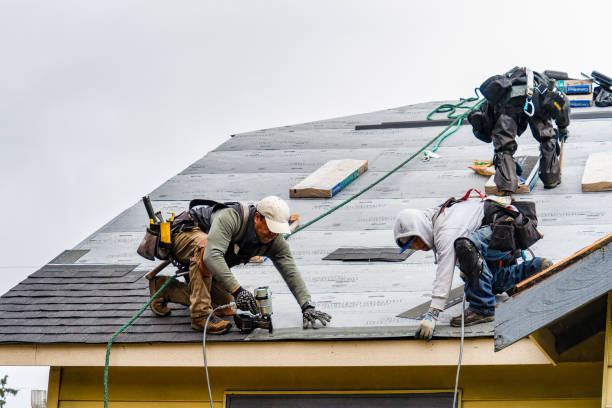
Roofing requires specialized knowledge, safety equipment, and proper installation techniques.
Professional contractors provide:
- Accurate inspections
- Proper material installation
- Building code compliance
- Manufacturer-recommended practices
- Long-lasting workmanship
Attempting major roofing work without experience often leads to larger problems later.
Frequently Asked Questions
Most residential roof replacements can be completed in one to three days, depending on the size and complexity of the home.ntent
Most homeowners should schedule a professional inspection once a year and after significant storms.
Yes. Even minor leaks can lead to mold growth, insulation damage, wood rot, and expensive structural repairs if left untreated.
If the roof is approaching the end of its expected lifespan and requires frequent repairs, replacement is often the more cost-effective long-term solution.
Routine inspections, prompt repairs, clean gutters, proper ventilation, and regular maintenance all help maximize a roof’s lifespan.
Protect Your Home with Professional Roofing Services
Your roof protects everything beneath it. Whether you’ve noticed missing shingles, water stains, storm damage, or simply want peace of mind, addressing roofing issues early helps prevent more costly repairs in the future.
At Best Choice GC, we provide professional roof inspections, roof repairs, and complete roof replacement services for homeowners throughout New Jersey. Every project begins with a thorough assessment, a clear explanation of your options, and quality workmanship from our experienced in-house team.
If you’re concerned about the condition of your roof, contact Best Choice GC today to schedule an inspection and learn how we can help keep your home safe, dry, and protected for years to come.