
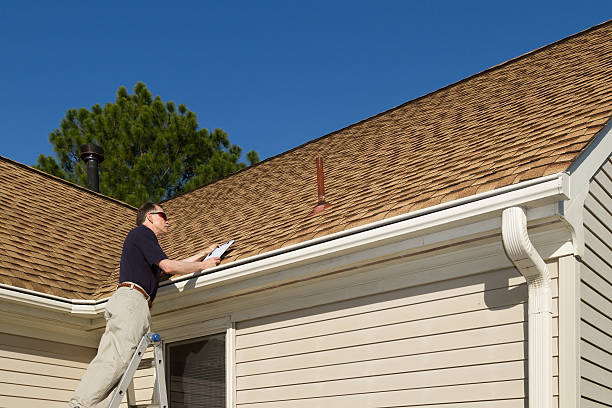
A chimney is one of the most overlooked parts of a home, yet it plays a critical role in protecting your property and family. Whether your fireplace is used daily during the winter or only occasionally, your chimney is constantly exposed to rain, snow, wind, freezing temperatures, and natural wear. Over time, these conditions can weaken the masonry, damage flashing, create leaks, and compromise the chimney’s structural integrity.
Many homeowners assume that if their fireplace appears to work properly, their chimney doesn’t need attention. In reality, hidden damage can develop long before obvious signs appear inside your home.
So, how often should a chimney be inspected?
The short answer is at least once a year. Annual chimney inspections help identify small problems before they become expensive repairs, improve safety, and extend the life of your chimney.
In this guide, we’ll explain why regular chimney inspections are important, what professionals look for, and the warning signs that mean you shouldn’t wait until your next annual inspection.
Why Annual Chimney Inspections Matter
Your chimney is constantly exposed to harsh weather conditions.
In New Jersey, seasonal temperature changes cause masonry materials to expand and contract throughout the year. Rainwater can seep into tiny cracks, freeze during winter, and expand even further, gradually causing bricks and mortar joints to deteriorate.
Without routine inspections, these small issues can eventually lead to:
- Water leaks
- Loose or missing bricks
- Damaged mortar joints
- Interior ceiling stains
- Chimney instability
- Costly structural repairs
An annual inspection allows these problems to be identified early, often before homeowners notice any visible symptoms.
What Happens During a Professional Chimney Inspection?
A professional chimney inspection is much more than a quick visual check.
An experienced contractor evaluates every accessible part of the chimney to determine its overall condition and identify any developing issues.
A typical inspection includes:
Exterior Brickwork
The inspector checks for:
- Cracked bricks
- Loose bricks
- Missing mortar
- Leaning or shifting masonry
- Signs of weather damage
Healthy brickwork is essential for maintaining the structural stability of the chimney.
Mortar Joints
Mortar naturally deteriorates over time.
During an inspection, professionals look for:
- Crumbling mortar
- Missing joints
- Gaps between bricks
- Signs that repointing may be necessary
Replacing damaged mortar early helps preserve the surrounding brickwork and prevents water infiltration.
Chimney Crown
The chimney crown sits on top of the chimney and helps keep water out of the structure.
Inspectors check for:
- Cracks
- Missing sections
- Poor drainage
- Surface deterioration
A damaged chimney crown is one of the most common sources of water damage.
Flashing
Flashing seals the connection between the chimney and the roof.
If flashing fails, water can enter your home even if the roof itself is in excellent condition.
Professionals inspect for:
- Rust
- Loose flashing
- Lifted edges
- Failed sealant
Many roof leaks are actually caused by damaged chimney flashing.
Chimney Cap
The chimney cap protects the flue from rain, leaves, birds, and other debris.
During inspection, contractors verify that the cap is:
- Securely attached
- Rust-free
- Undamaged
- Properly sized
Replacing a damaged cap is usually a simple repair that helps prevent larger problems.
Signs You Should Schedule an Inspection Immediately
Although yearly inspections are recommended, some situations require immediate professional attention.
Don’t wait if you notice any of the following:
Water Leaks Around the Chimney
Water stains on ceilings or walls near the chimney often indicate that moisture is entering through damaged flashing, deteriorated masonry, or cracks in the chimney crown.
The sooner leaks are repaired, the less likely they are to cause structural damage.
Cracked or Missing Bricks
Visible cracks may seem minor, but they often allow water to penetrate deeper into the chimney.
Freeze-thaw cycles can rapidly enlarge these cracks, leading to expensive repairs if left untreated.
White Stains on the Brick
A white powdery residue, known as efflorescence, appears when moisture moves through masonry and leaves behind mineral deposits.
While the residue itself isn’t harmful, it usually indicates excessive moisture inside the chimney.
Finding the source of the moisture is essential before more serious deterioration occurs.
Loose Mortar
Mortar binds the chimney together.
If pieces begin falling out or joints appear recessed, repointing may be necessary to restore structural integrity.
Ignoring deteriorated mortar allows water to penetrate deeper into the masonry.
Leaning Chimney
A chimney should always remain perfectly vertical.
If you notice even a slight lean, contact a professional immediately.
A leaning chimney may indicate:
- Foundation movement
- Severe masonry deterioration
- Structural failure
This should never be ignored.
How Weather Affects Your Chimney
Weather is one of the biggest contributors to chimney damage.
Rain introduces moisture into small cracks.
Winter temperatures freeze that moisture, causing it to expand.
Spring thawing allows additional water to enter.
This cycle repeats year after year, gradually weakening the masonry.
Homes in New Jersey are especially vulnerable because they experience frequent freeze-thaw cycles throughout the winter months.
Routine inspections help identify weather-related damage before it becomes severe.
Can I Inspect My Chimney Myself?
Homeowners can perform basic visual inspections from the ground.
Look for:
- Missing bricks
- Leaning masonry
- Damaged chimney caps
- Cracks
- Missing flashing
- Vegetation growing from the chimney
However, many issues aren’t visible without safely accessing the roof.
Professional inspections provide a much more thorough evaluation and can identify hidden problems before they become expensive repairs.
How Regular Inspections Save Money
Some homeowners postpone chimney inspections because everything appears normal.
Ironically, waiting often leads to higher repair costs.
For example:
Repairing a few damaged mortar joints is significantly less expensive than rebuilding an entire chimney wall.
Replacing cracked flashing costs much less than repairing interior water damage.
Installing a new chimney cap is inexpensive compared to removing animal nests or repairing moisture damage inside the flue.
Preventative maintenance almost always costs less than emergency repairs.
Tips for Maintaining Your Chimney
Between professional inspections, homeowners can help protect their chimney by following a few simple maintenance practices.
- Look at your chimney after severe storms.
- Keep tree branches trimmed away from the chimney.
- Watch for water stains inside your home.
- Remove moss or vegetation growing on masonry.
- Keep gutters clean to reduce water overflow near the chimney.
- Repair small masonry cracks before they spread.
- Schedule annual professional inspections.
Regular maintenance extends the life of your chimney and reduces long-term repair costs.
Frequently Asked Questions
Most experts recommend having your chimney inspected at least once a year, even if you rarely use your fireplace. Annual inspections help identify masonry damage, water intrusion, flashing issues, and other problems before they worsen.
Yes. Weather affects chimneys whether they’re used or not. Rain, snow, freeze-thaw cycles, and aging materials can all cause deterioration over time.
Water damage is one of the most common issues. Cracked masonry, deteriorated mortar, damaged flashing, and missing chimney caps all allow moisture to enter the structure.
Most residential chimney inspections take between 30 minutes and an hour, depending on the chimney’s size, condition, and accessibility.
Yes. Damaged flashing, deteriorated masonry, or water entering around the chimney can cause roof leaks and interior water damage if not repaired promptly.
Protect Your Home with Regular Chimney Inspections
Your chimney is exposed to the elements every day, and even minor damage can quickly develop into costly repairs if left unchecked. Annual inspections are one of the simplest and most effective ways to protect your home, preserve your chimney’s structure, and catch problems before they lead to leaks or major masonry work.
Whether your chimney has visible cracks, aging mortar, water stains, or simply hasn’t been inspected in years, it’s worth having it evaluated by experienced professionals.
Best Choice GC provides expert chimney inspections, chimney repairs, masonry restoration, flashing repair, and chimney rebuilding services for homeowners throughout New Jersey. Our in-house team carefully assesses every chimney, explains your options clearly, and delivers dependable workmanship designed to last.
If it’s been more than a year since your last chimney inspection, contact Best Choice GC today to schedule a professional evaluation and keep your home safe, dry, and protected year-round.