Your roof quietly protects your home every day, shielding it from rain, snow, wind, and the changing seasons. Because it’s out of sight, many homeowners don’t think about their roof until water starts dripping from the ceiling or a storm causes visible damage. Unfortunately, by that point, what could have been a simple repair may have become a much more expensive project.
The good news is that most roofing problems develop gradually and leave warning signs long before they become major issues. Learning to recognize these signs can help you schedule repairs early, extend the life of your roof, and avoid unnecessary damage to your home.
Here are ten of the most common warning signs that your roof may be failing.
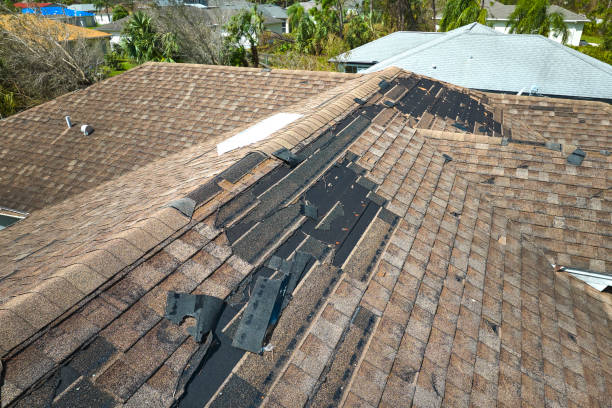
1. Missing or Damaged Shingles
Shingles are your roof’s first layer of protection against the elements. When they become cracked, curled, loose, or completely missing, the underlying roofing materials are exposed to moisture and UV rays.
Common causes include:
- High winds
- Severe storms
- Aging materials
- Poor installation
- Heavy snow and ice
Even a single missing shingle can create an entry point for water. If you notice bare patches or shingles in your yard after a storm, it’s a good idea to schedule a professional inspection.
2. Water Stains on Ceilings or Walls
Brown or yellow stains on ceilings and interior walls often indicate that water has already made its way through your roofing system.
Keep in mind that the leak may not be directly above the stain. Water can travel along rafters, insulation, and framing before becoming visible inside your home.
Other signs of moisture intrusion include:
- Peeling paint
- Bubbling drywall
- Damp insulation
- Mold growth
- Musty odors
Ignoring these signs can lead to structural damage and expensive interior repairs.
3. Granules Collecting in Your Gutters
Asphalt shingles are coated with protective granules that shield them from sunlight and weather.
Over time, these granules naturally wear away. However, excessive granule loss is often a sign that shingles are nearing the end of their lifespan.
You may notice:
- Black sediment inside gutters
- Granules near downspouts
- Bald spots on shingles
- Uneven roof coloration
If your gutters are consistently filling with roofing granules, your roof should be evaluated before leaks begin.
4. Curling, Buckling, or Cracked Shingles
Healthy shingles should lay flat against the roof.
If you notice edges curling upward or shingles beginning to buckle, your roof is likely experiencing age-related deterioration or moisture problems.
Common causes include:
- Poor attic ventilation
- Excessive heat
- Moisture buildup
- Old roofing materials
Damaged shingles are more likely to be blown off during storms, increasing the risk of leaks.
5. A Sagging Roofline
A roof should have straight, even lines. If sections appear to dip or sag, it could indicate a serious structural issue.
Possible causes include:
- Water damage
- Rotten roof decking
- Damaged rafters
- Excessive roof weight
- Long-term leaks
A sagging roof should never be ignored, as it may indicate weakening structural components that require immediate professional attention.
6. Frequent Roof Leaks
One isolated leak doesn’t always mean you need a new roof.
However, if leaks continue to appear in different areas despite repeated repairs, your roofing system may be reaching the end of its useful life.
Recurring leaks often indicate:
- Widespread deterioration
- Aging underlayment
- Failing flashing
- Compromised roof decking
Instead of repeatedly repairing isolated problems, replacing the roof may provide a more cost-effective long-term solution.
7. Moss, Algae, or Mold Growth
While dark streaks caused by algae are mostly cosmetic, thick moss growth can become a serious concern.
Moss traps moisture against roofing materials, accelerating deterioration and shortening the roof’s lifespan.
Watch for:
- Green patches
- Thick moss buildup
- Black streaks
- Mold around roof edges
Professional roof cleaning and routine maintenance can help prevent long-term damage.
8. Damaged Flashing Around Roof Penetrations
Flashing is the metal material installed around roof features such as:
- Chimneys
- Skylights
- Plumbing vents
- Roof valleys
- Dormers
Its purpose is to direct water away from vulnerable joints.
If flashing becomes loose, rusted, cracked, or improperly sealed, water can quickly penetrate your roof.
Many roof leaks actually begin with damaged flashing rather than damaged shingles.
9. Rising Energy Bills
Your roof plays an important role in your home’s energy efficiency.
As roofing materials age, moisture enters the attic, or ventilation becomes inadequate, your HVAC system has to work harder to maintain comfortable indoor temperatures.
You may notice:
- Higher cooling costs during summer
- Increased heating bills in winter
- Uneven temperatures throughout the home
Sometimes improving attic ventilation or repairing roof damage can restore energy efficiency before replacement becomes necessary.
10. Your Roof Is Near the End of Its Lifespan
Even if your roof looks acceptable from the ground, age matters.
Average lifespans include:
- Asphalt shingles: 20–30 years
- Architectural shingles: 30–40 years
- Metal roofing: 40–70 years
- Slate roofing: 75 years or more
If your roof is approaching its expected lifespan, annual inspections become increasingly important. Small problems become more common as roofing materials age, and catching them early can help you plan repairs or replacement before emergencies arise.
Why Early Detection Matters
Many homeowners postpone roof inspections because there are no obvious leaks. Unfortunately, hidden damage often develops long before it becomes visible inside the home.
Early detection helps you:
- Prevent water damage
- Protect insulation and attic spaces
- Extend your roof’s lifespan
- Reduce repair costs
- Maintain your home’s value
- Avoid emergency repairs after storms
Scheduling routine inspections is one of the most cost-effective ways to protect your investment.
Tips for Keeping Your Roof in Good Condition
While every roof eventually needs replacement, regular maintenance can significantly extend its lifespan.
Consider these best practices:
- Schedule a professional roof inspection every year.
- Check your roof after major storms.
- Keep gutters free of leaves and debris.
- Trim tree branches that hang over your roof.
- Replace damaged shingles promptly.
- Address leaks as soon as they appear.
- Ensure your attic has proper ventilation.
- Remove debris that collects on the roof.
Small maintenance tasks today can prevent major repairs tomorrow.
Frequently Asked Questions
Most homeowners should schedule a professional roof inspection once a year and after severe weather events such as hailstorms, heavy winds, or hurricanes.
You can perform a visual inspection from the ground using binoculars, but climbing onto a roof can be dangerous. A professional inspection is safer and more thorough.
Not necessarily. If the rest of the roof is in good condition, replacing the damaged shingle may be enough. A roofing contractor can determine whether the damage is isolated or part of a larger problem.
It’s best to address leaks as soon as possible. Even a small leak can lead to mold growth, wood rot, damaged insulation, and costly structural repairs if left untreated.
No. If your roof is relatively new and the damage is limited, repairs are often the most economical solution. Replacement is generally recommended when the roof has widespread damage or is nearing the end of its expected lifespan.
Protect Your Home Before Small Roofing Problems Become Big Ones
Your roof protects everything beneath it, and even minor issues can quickly turn into costly repairs if they’re ignored. Knowing the warning signs of a failing roof allows you to act early, reduce long-term expenses, and keep your home safe through every season.
If you’ve noticed missing shingles, water stains, sagging areas, or any of the warning signs discussed above, don’t wait until the damage gets worse.
Best Choice GC provides professional roof inspections, roof repairs, and complete roof replacement services for homeowners throughout New Jersey. Our experienced in-house team carefully evaluates your roof, explains your options clearly, and delivers quality workmanship you can trust.
Think your roof may be showing signs of wear? Contact Best Choice GC today to schedule a professional inspection and protect your home before minor issues become major repairs.